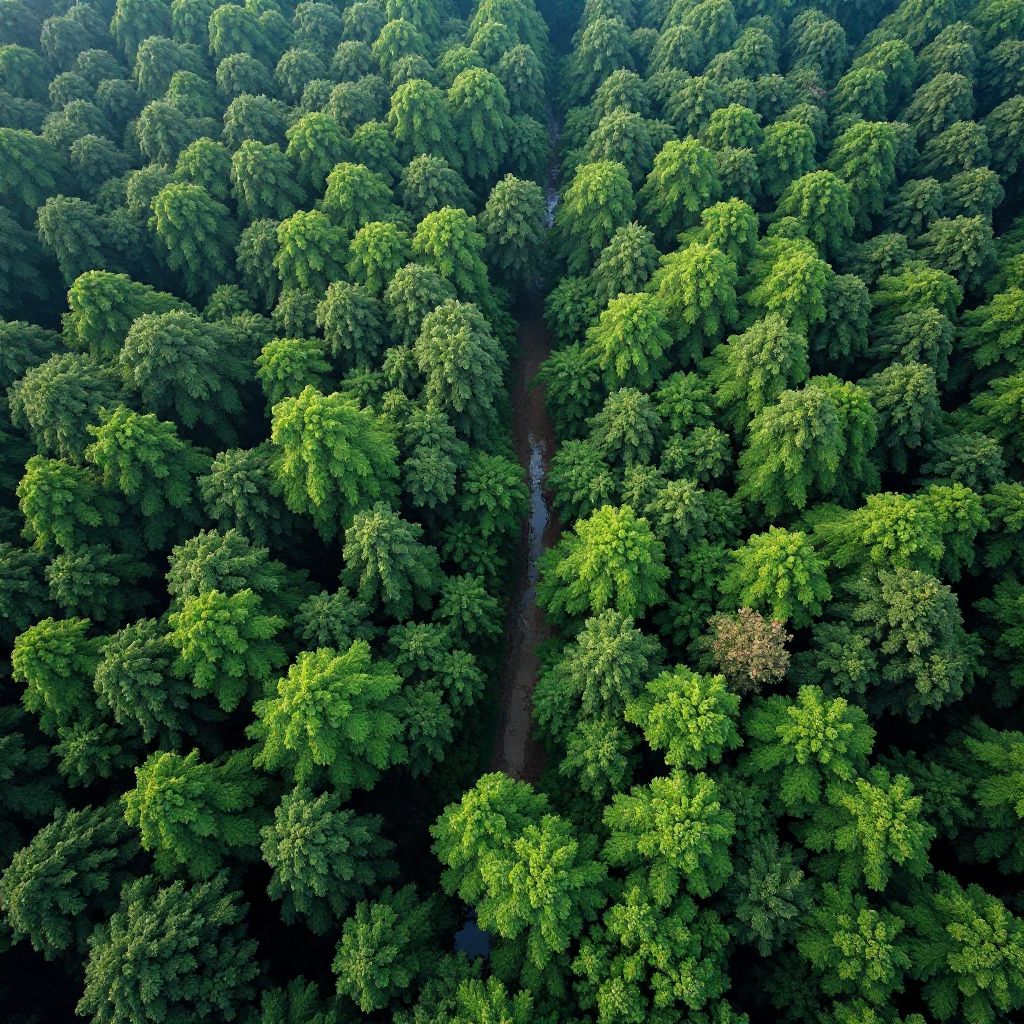
Dedicated to the conservation and celebration of national parks and untamed landscapes around the world. Join our mission to protect these ecological treasures.
WildScape Guardians was founded with a singular vision: to protect and preserve the world's most precious wild landscapes and national parks for future generations. We believe that these natural sanctuaries are not just scenic destinations, but vital ecological systems that support biodiversity, regulate our climate, and provide essential resources for all life on Earth.
Through scientific research, community engagement, and sustainable tourism initiatives, we work tirelessly to ensure these natural wonders remain intact and thriving. Our team consists of ecologists, conservationists, photographers, and passionate nature advocates who dedicate their expertise to documenting, studying, and protecting these irreplaceable ecological treasures.
We advocate for conservation policies at local and international levels, collaborate with indigenous communities who have been stewards of these lands for generations, and educate the public about the importance of preserving wild places in their natural state.
WildScape Guardians began in 1995 as a small grassroots movement of photographers and naturalists concerned about the rapid degradation of pristine wilderness areas. What started as documentation expeditions to raise awareness quickly evolved into a comprehensive conservation organization with global impact.
Over our 28-year history, we've successfully campaigned for the establishment of 12 new protected areas across three continents, helped implement sustainable management practices in over 30 national parks, and engaged with more than 200,000 local community members in conservation education programs.
Our milestone achievements include the landmark "Wild Corridors Initiative" of 2008, which created vital wildlife passages between fragmented habitats, and our innovative "Guardians of Tomorrow" youth program that has inspired a new generation of environmental stewards in over 40 countries worldwide.
Our team includes world-renowned ecologists, biologists, and conservation scientists with decades of collective experience studying and protecting natural ecosystems.

We believe lasting conservation success comes through working with local communities, respecting indigenous knowledge, and creating sustainable economic opportunities through ecotourism.

Our projects feature comprehensive monitoring and evaluation systems to track ecological health indicators and demonstrate real conservation outcomes with transparency and accountability.
At the heart of WildScape Guardians' approach is rigorous scientific research that informs our conservation strategies and provides measurable outcomes. Our team conducts comprehensive ecological surveys, habitat assessments, and biodiversity monitoring across protected areas to establish baseline data and track ecosystem health over time.
Using advanced technologies like environmental DNA sampling, remote sensing, and acoustic monitoring systems, we're able to detect subtle changes in ecosystem composition that might indicate emerging threats or conservation successes. This data-driven approach ensures our interventions are targeted and effective.
Our peer-reviewed research has contributed significantly to the scientific understanding of wildlife corridors, habitat fragmentation impacts, and resilience factors in threatened ecosystems. We openly share our findings through scientific publications, conservation databases, and accessible public resources.
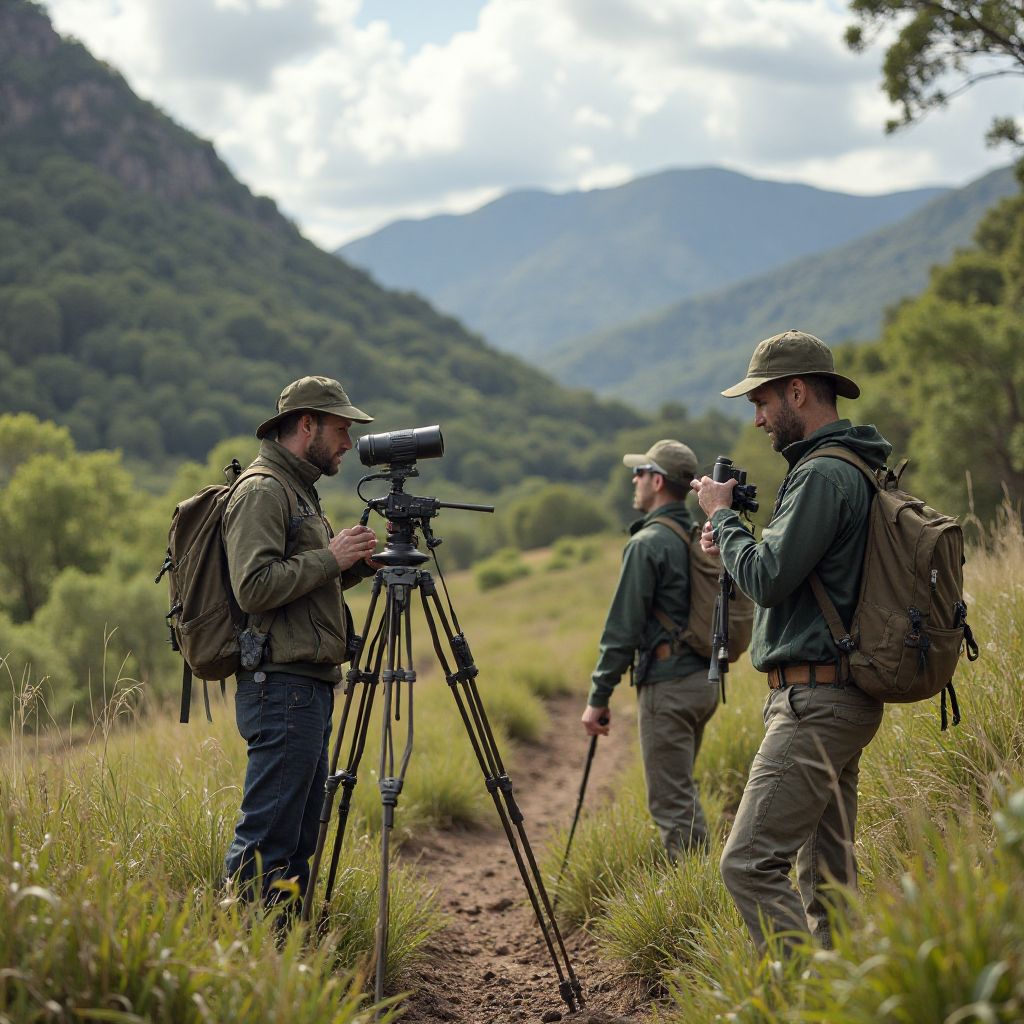
Our comprehensive species inventories document flora and fauna diversity in protected areas, identifying indicator species and ecological relationships critical for ecosystem health monitoring. These assessments have discovered previously undocumented species and populations in several national parks.
We conduct long-term research on how climate change affects wilderness areas, tracking shifts in vegetation patterns, phenology changes, and species range alterations. This research helps park managers develop climate adaptation strategies for vulnerable ecosystems.
Our social science team studies the complex relationships between local communities, visitors, and protected areas. This research informs conflict mitigation strategies, sustainable tourism frameworks, and community-based conservation programs that balance human needs with ecosystem preservation.
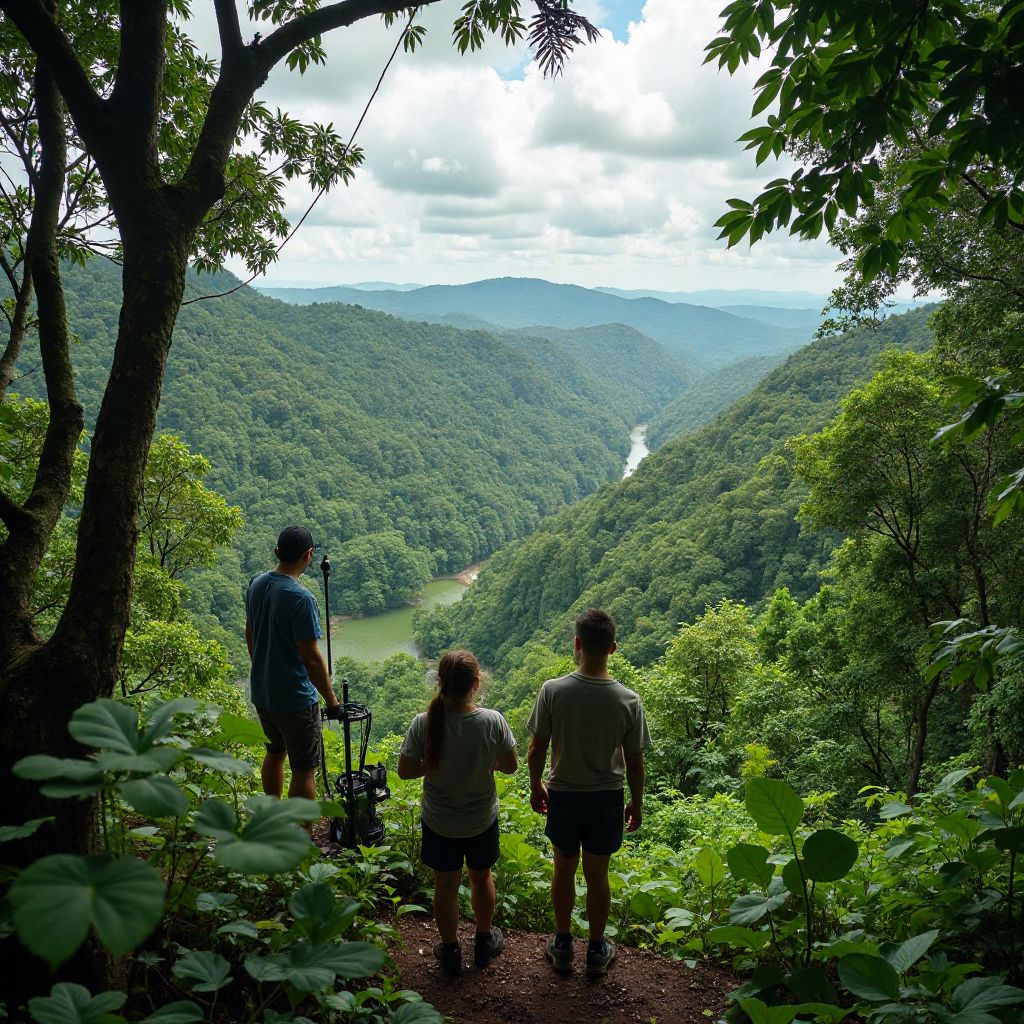
An ambitious initiative connecting fragmented rainforest habitats across three South American countries, providing safe passage for endangered species like jaguars and harpy eagles while preserving indigenous territories and traditional ecological knowledge.
Learn more →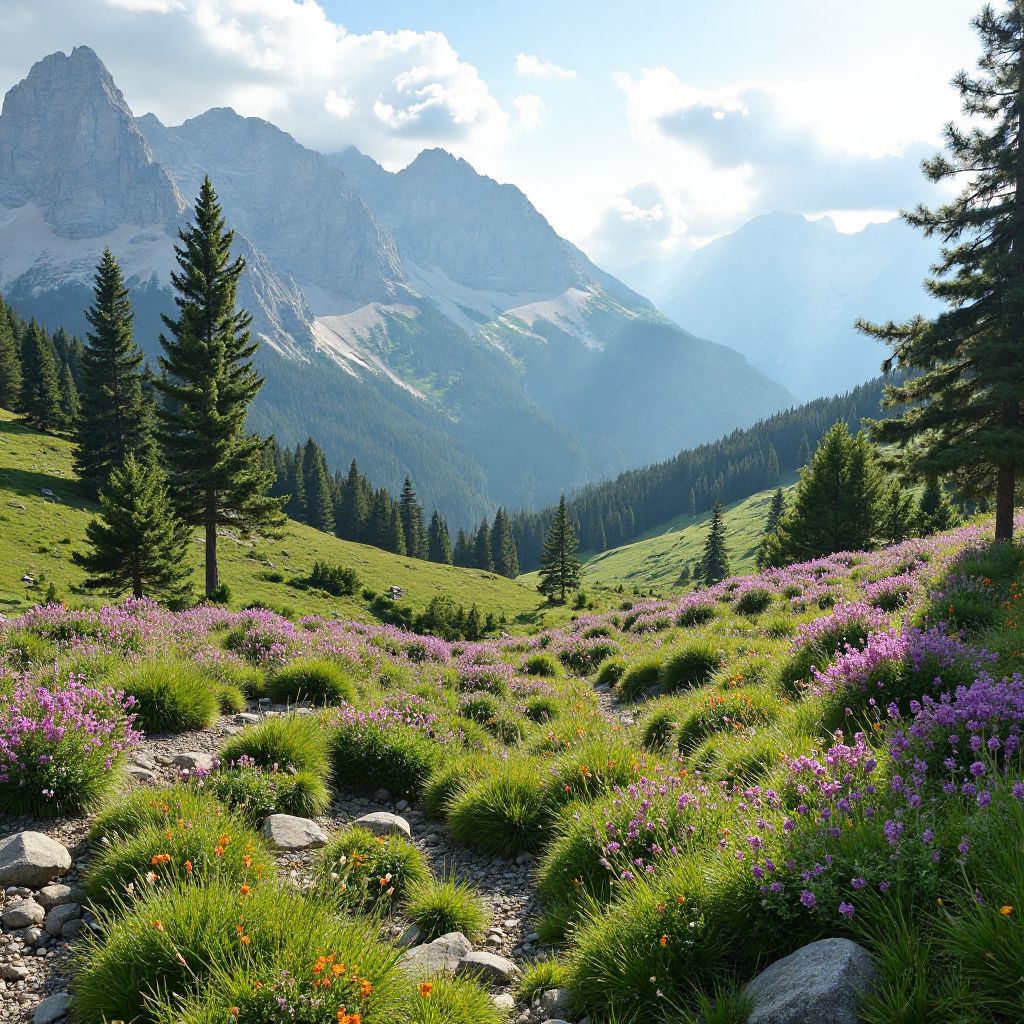
Working to repair and protect high-altitude ecosystems affected by climate change and tourism pressure. Our comprehensive approach includes glacier monitoring, endemic plant conservation, and sustainable tourism infrastructure development.
Learn more →
Establishing a network of marine protected areas that safeguard critical coastal ecosystems, from mangroves to coral reefs. This project includes community-managed fishing zones, coral restoration, and pollution reduction initiatives.
Learn more →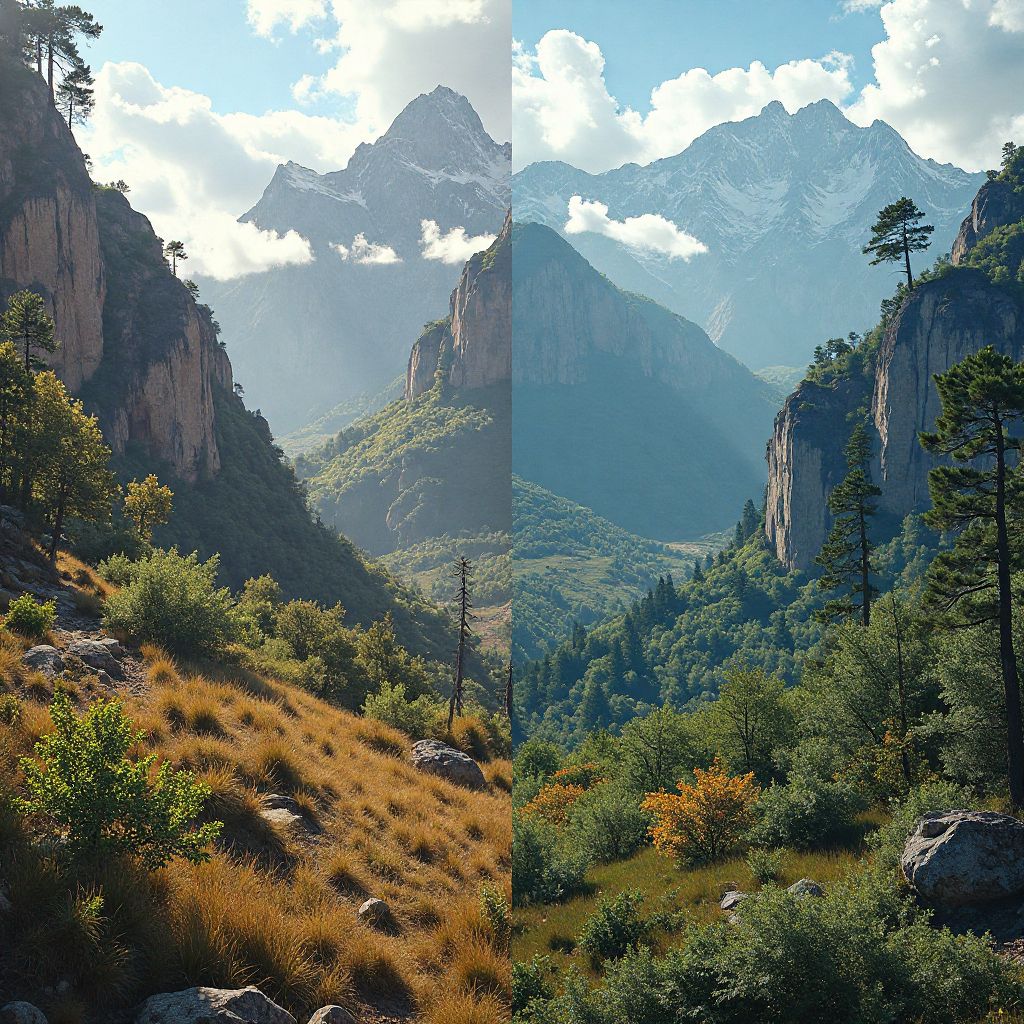
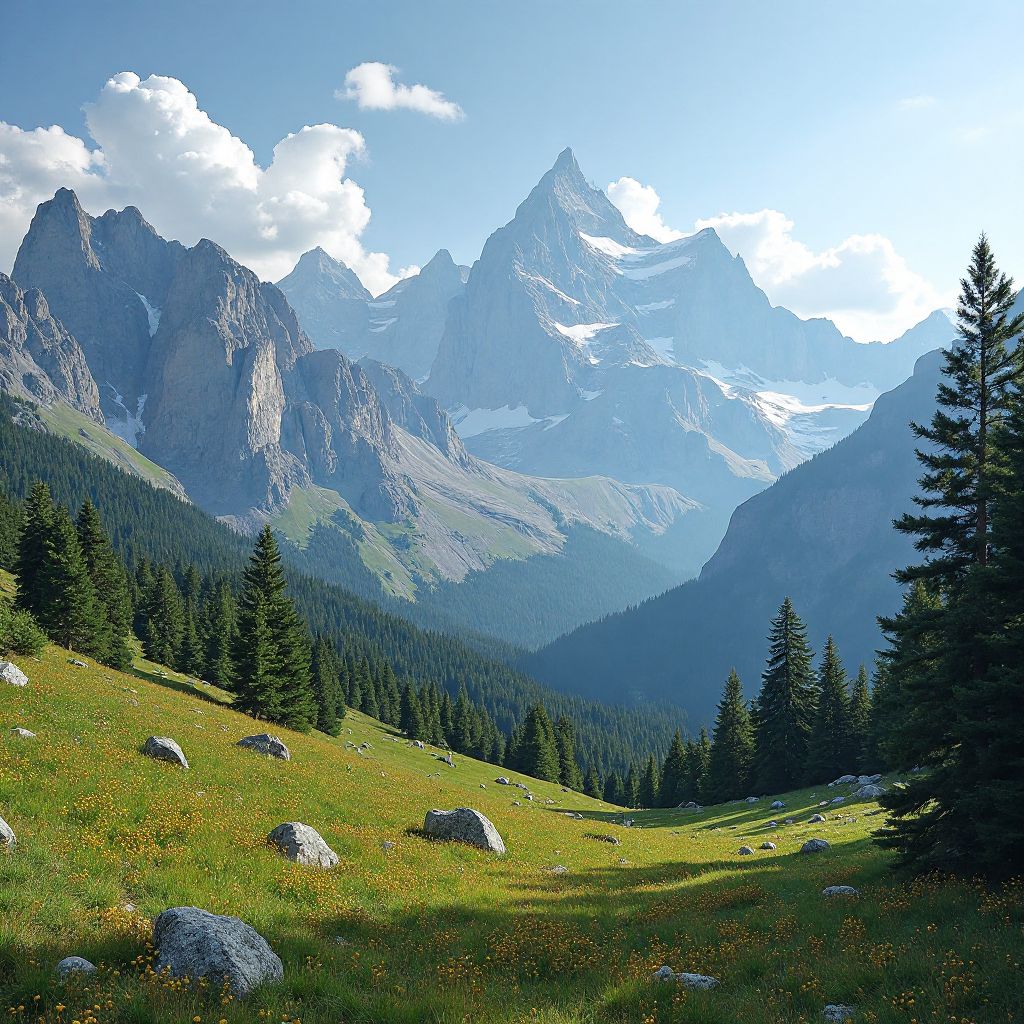
When we began work in the Eastern Mountain range in 2010, illegal logging had fragmented critical migration corridors for endangered mountain species. Through community partnerships, reforestation efforts, and policy advocacy, we've restored over 35,000 hectares of mountain habitat.
Wildlife monitoring now shows a 78% increase in biodiversity indicators, with keystone species like mountain leopards returning to areas where they hadn't been documented in decades. Local communities have established sustainable ecotourism enterprises that generate more income than previous extractive activities.
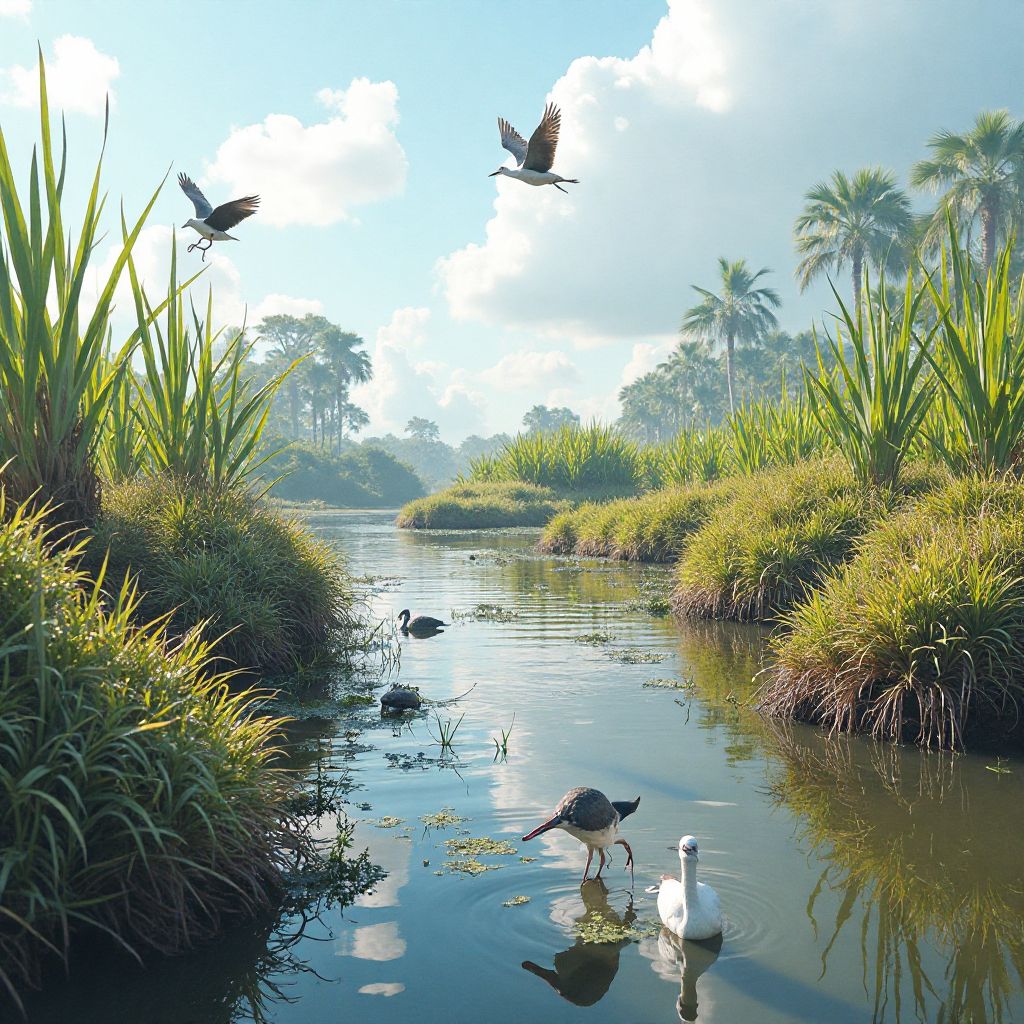
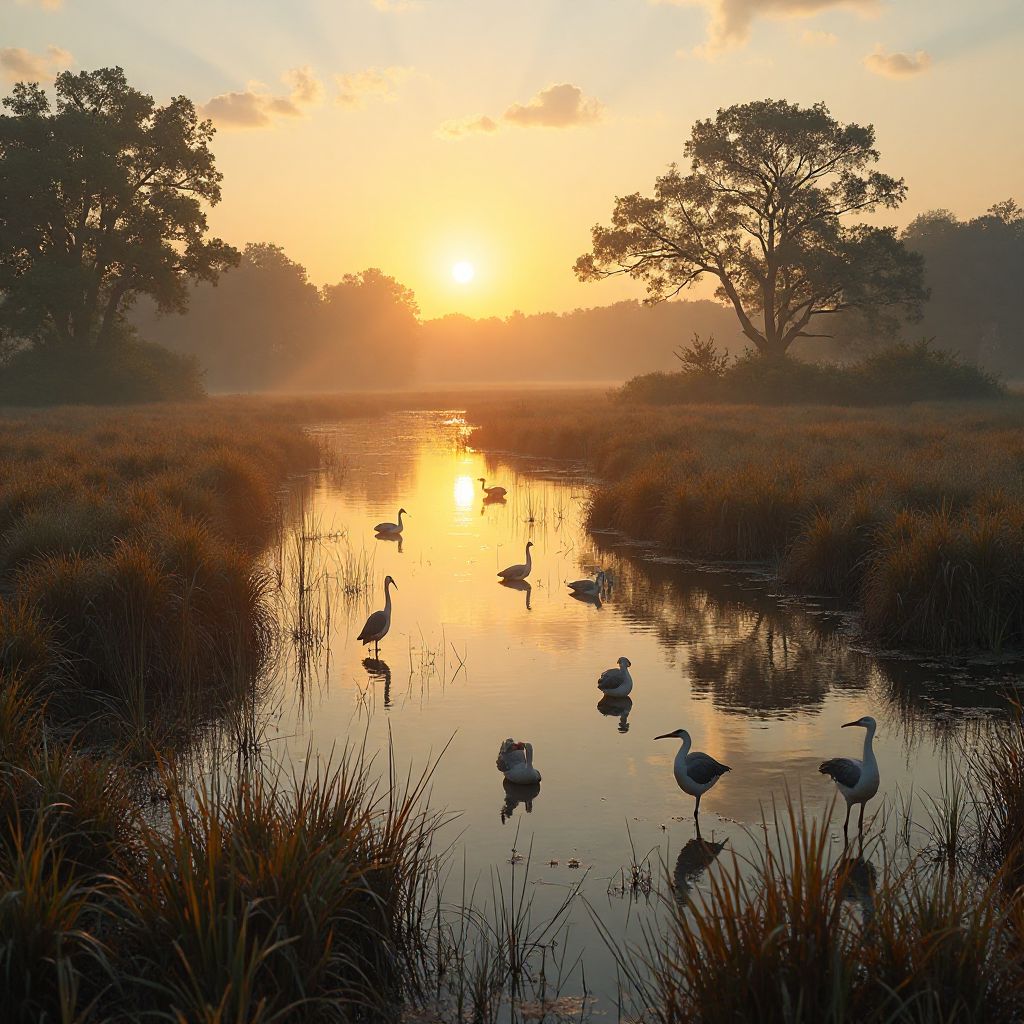
In 2015, rapid development threatened to drain and fill a 12,000-acre coastal wetland system that serves as a crucial stopover for migratory birds and natural buffer against storm surges. Through a combination of land acquisition, legal protection, and innovative carbon offset funding, we secured permanent protection for this vital ecosystem.
Today, this wetland hosts over 200 bird species annually, serves as a living laboratory for climate adaptation research, and provides sustainable livelihoods for fishing communities through improved ecosystem services and ecotourism opportunities.
WildScape Guardians integrates cutting-edge technology with traditional conservation approaches to enhance our effectiveness and reach. We believe that innovative solutions can address complex environmental challenges while engaging broader audiences in our mission.
Our technology initiatives range from advanced remote sensing for monitoring deforestation in real-time to mobile applications that allow citizen scientists to contribute valuable ecological data from around the world. These technological tools extend our monitoring capabilities far beyond what traditional field methods alone can accomplish.
We also develop open-source conservation technology to democratize access to important tools for researchers and grassroots organizations worldwide, fostering a collaborative approach to global conservation challenges.
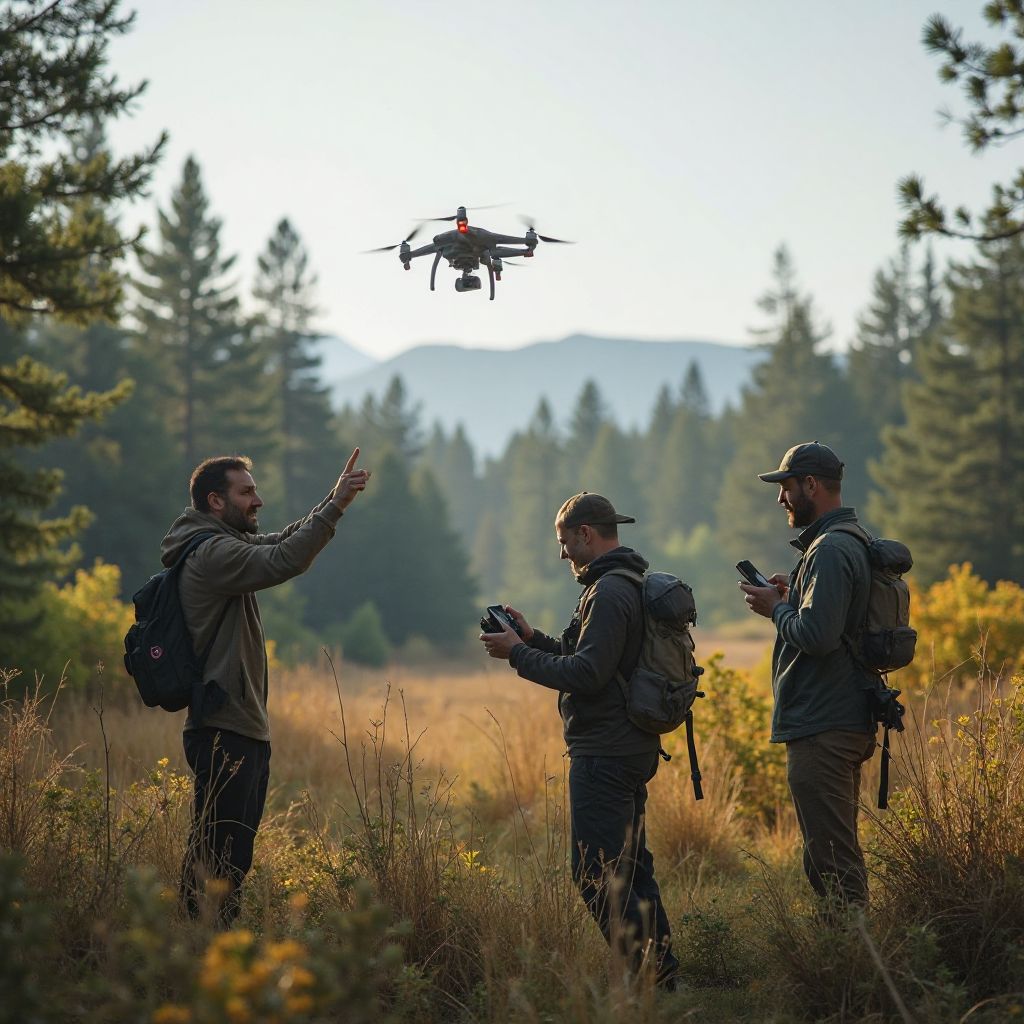
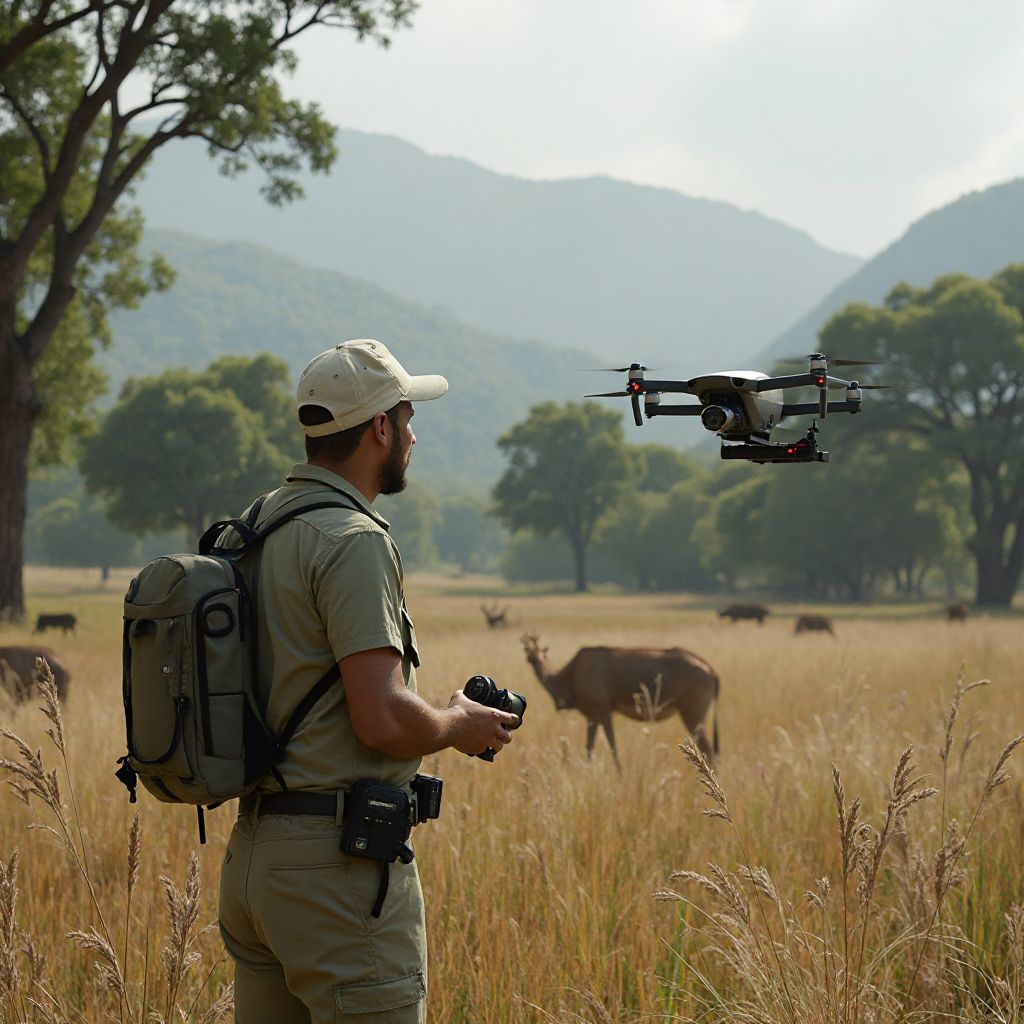
Our custom-designed drone systems use AI image recognition to track wildlife populations, detect illegal activities, and monitor habitat changes with unprecedented accuracy and minimal disturbance to sensitive species.
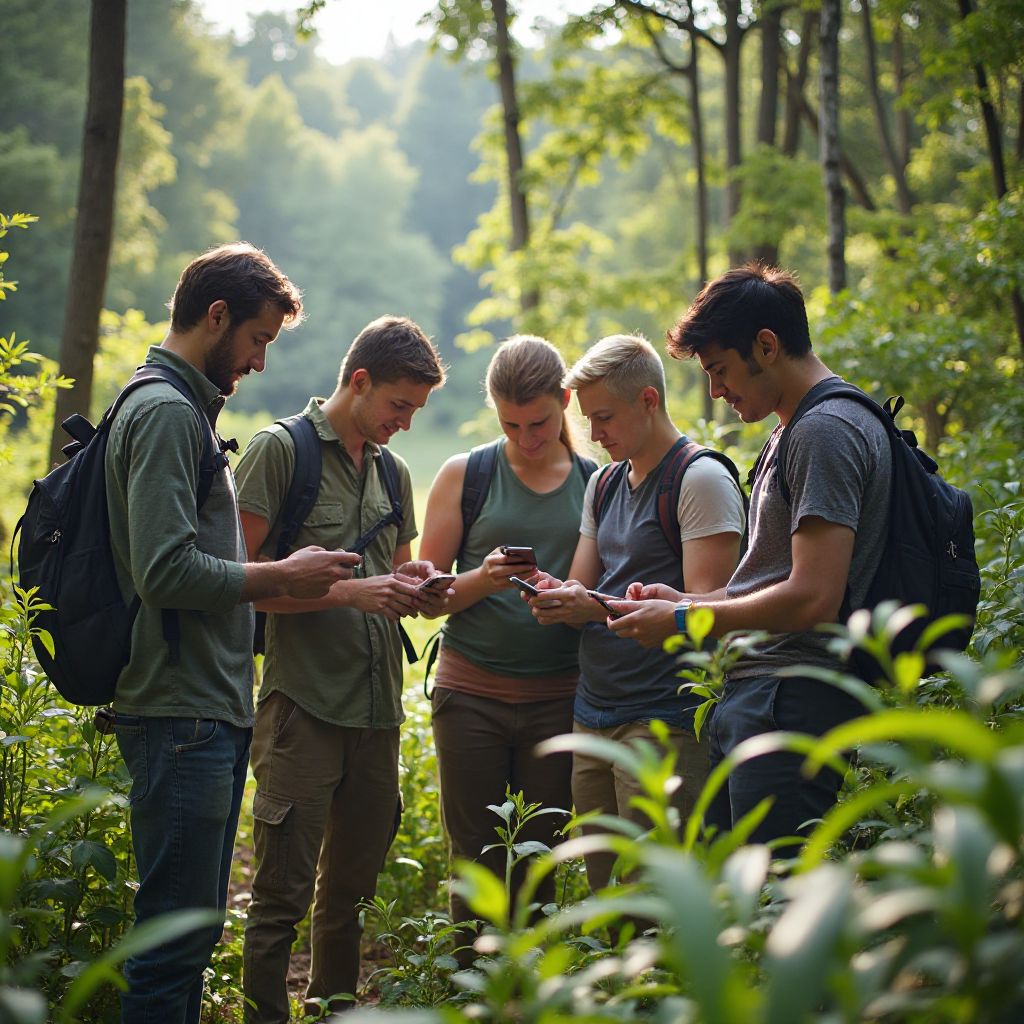
Our mobile application enables visitors and community members to contribute to biodiversity monitoring by reporting wildlife sightings, invasive species, and habitat conditions, creating a vast network of conservation data collectors.

We're pioneering immersive virtual reality experiences that allow people worldwide to explore remote protected areas, fostering connection to nature for those who cannot visit in person and reducing tourism pressure on fragile ecosystems.
At WildScape Guardians, we recognize that true conservation success requires sustainable approaches that balance ecological protection with human needs and economic realities. Our sustainability framework ensures that conservation initiatives create lasting positive impact for both nature and communities.
We design our programs with built-in financial sustainability mechanisms, such as conservation trust funds, ecotourism revenue sharing, and payments for ecosystem services. These approaches ensure that protection efforts continue long after initial project funding ends.
Our partnerships with local communities emphasize capacity building, knowledge transfer, and the development of nature-based economic opportunities that incentivize continued conservation stewardship. By aligning conservation with community prosperity, we create resilient systems that withstand changing political and economic landscapes.
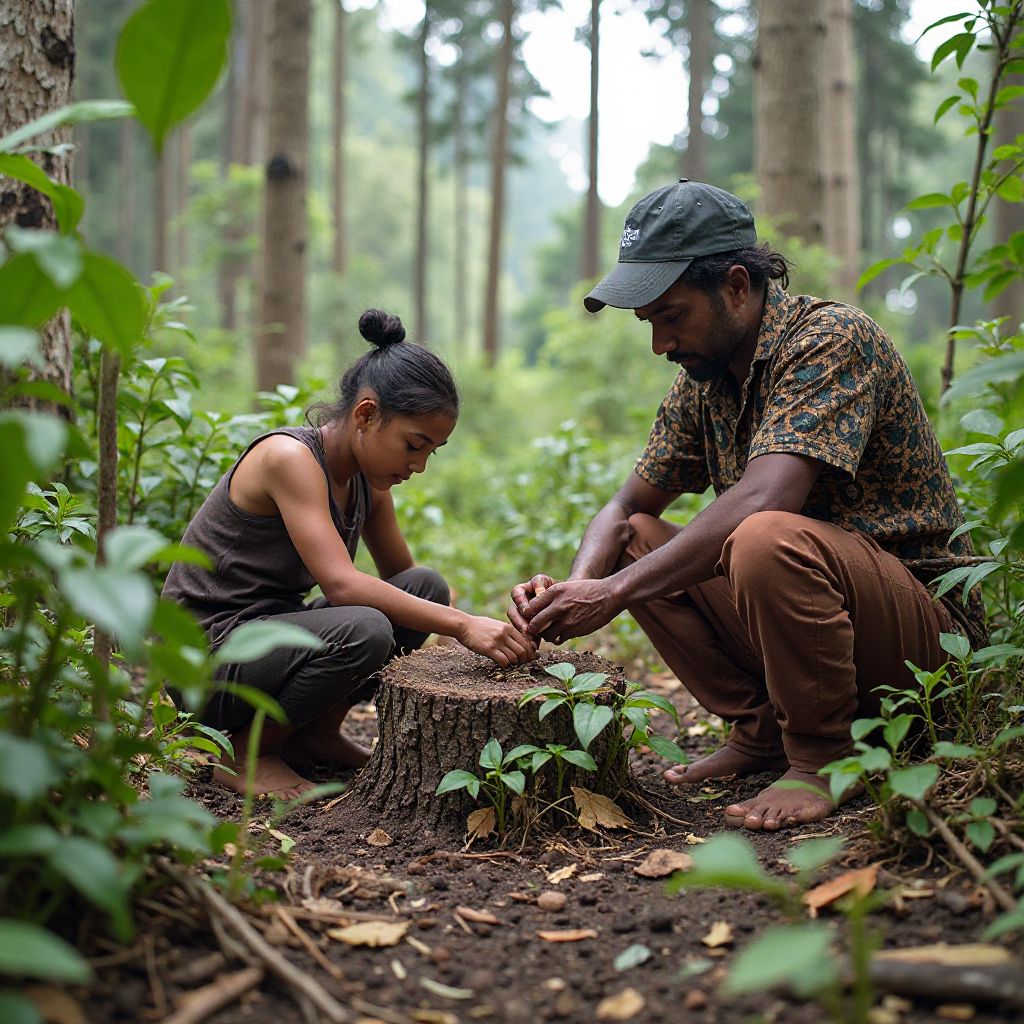
Our conservation projects incorporate sustainable financing mechanisms including:
These approaches ensure financial resources continue flowing to conservation efforts for decades to come.
We prioritize inclusive conservation that respects and integrates:
This ensures broad stakeholder support essential for long-term success.
Our scientific approach ensures ecological integrity through:
These science-based approaches maintain ecosystem health even as conditions change.
Our educational webinar series brings conservation knowledge directly to global audiences. Led by our scientists, partner experts, and indigenous knowledge holders, these interactive sessions cover everything from cutting-edge research findings to practical conservation techniques for everyday life.
These free sessions are designed for conservation professionals, students, educators, and anyone passionate about protecting our natural world. Each webinar includes Q&A opportunities and access to downloadable resources for continued learning and action.

Join Dr. Elena Vargas as she discusses adaptation strategies for high-altitude protected areas facing rapid climate change impacts. Learn about innovative approaches being implemented across mountain ranges worldwide.
Register NowA panel discussion featuring indigenous conservation leaders from three continents sharing traditional ecological knowledge and how it complements scientific approaches to biodiversity protection.
Register NowConservation biologist Dr. Marcus Chen presents practical strategies for designing, funding, and establishing wildlife corridors between fragmented habitats, with case studies from successful implementations.
Register Now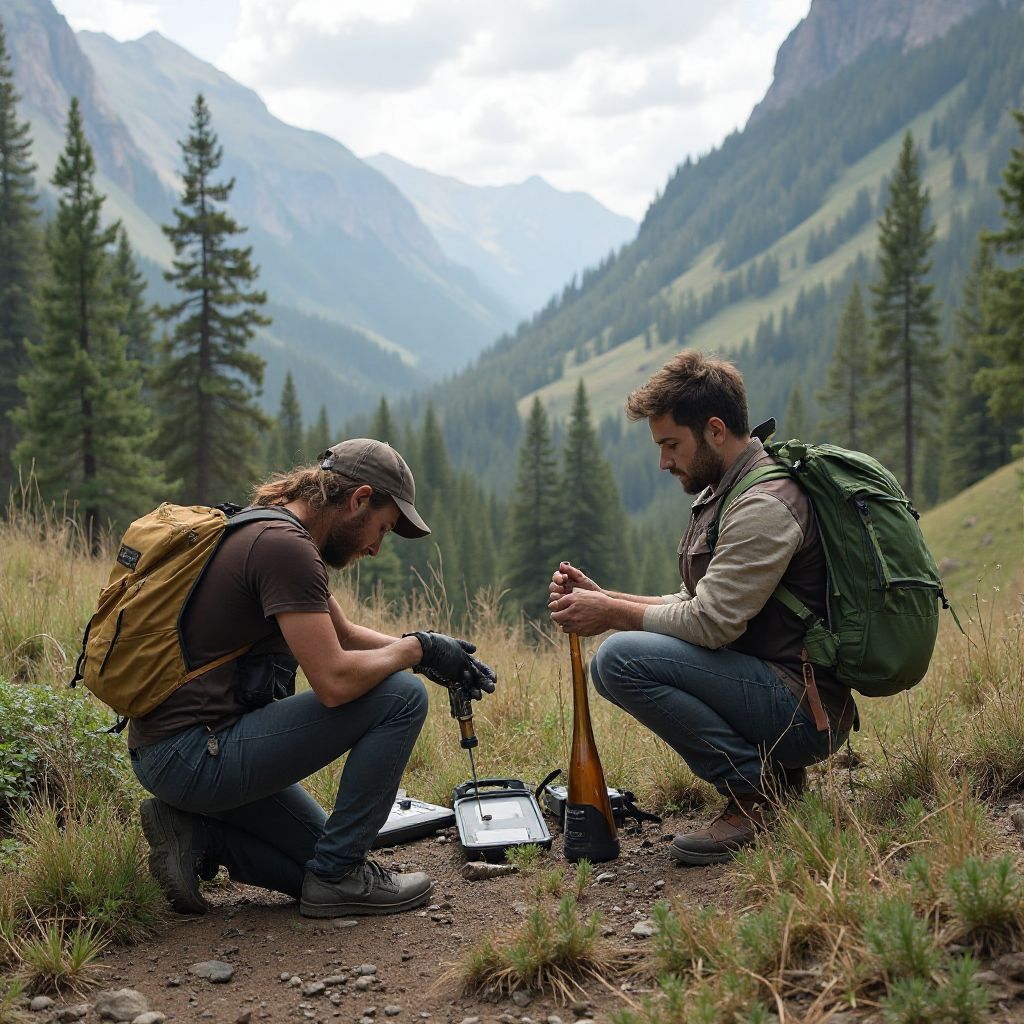
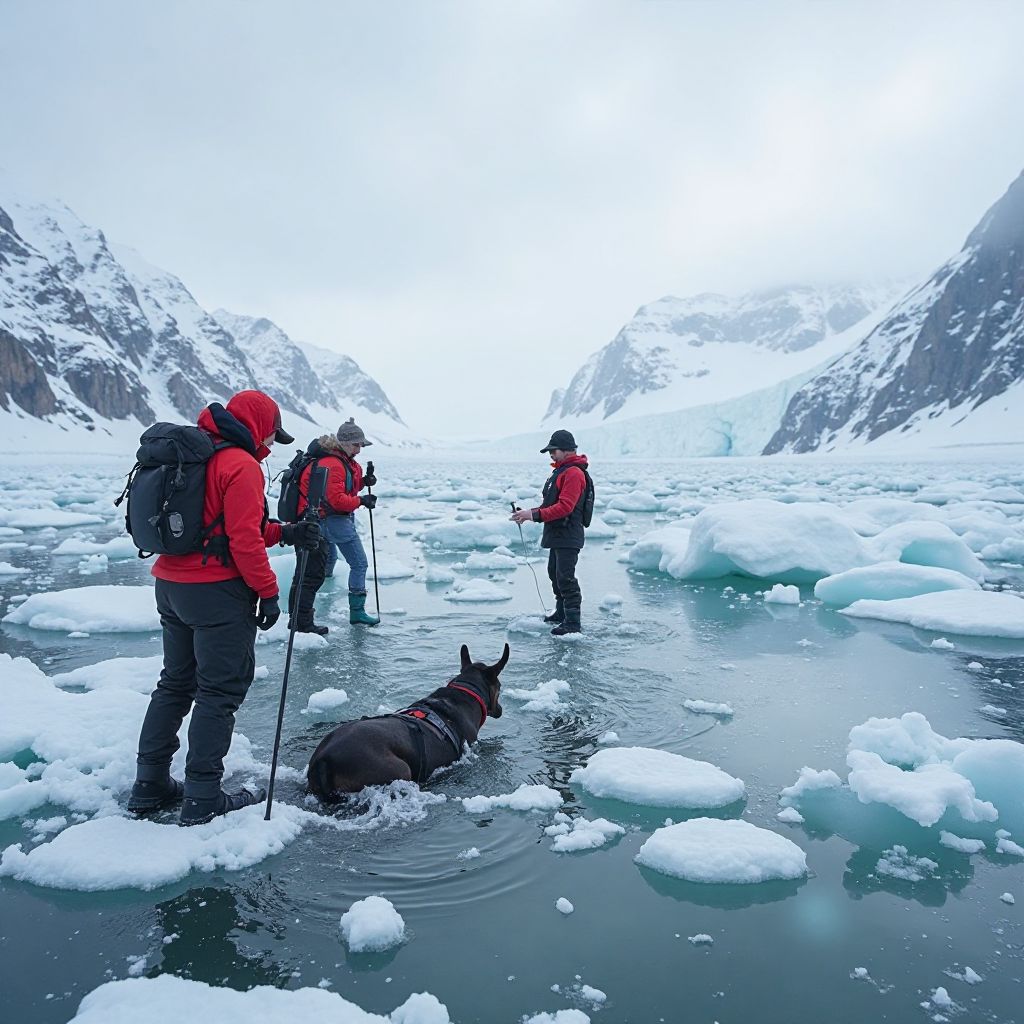
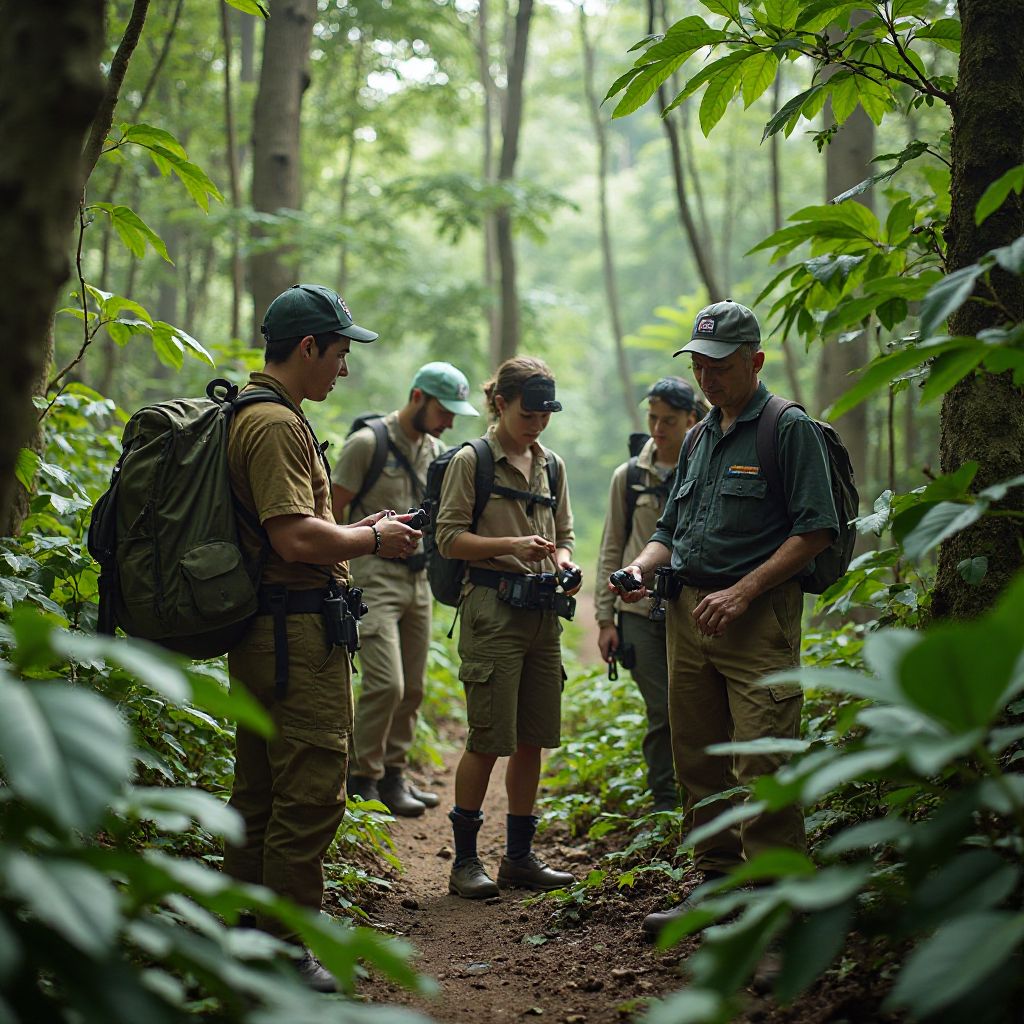
Conservation work often takes our teams to some of the most remote and challenging environments on Earth. From camping in makeshift research stations during monsoon seasons to trekking through dense jungle to monitor wildlife populations, our field teams demonstrate extraordinary dedication.
These expeditions require meticulous planning, specialized equipment, and close collaboration with local guides who possess invaluable knowledge of the terrain. Despite occasional hardships, our researchers describe these experiences as profoundly rewarding—moments when they witness rare species in their natural habitat or document ecosystem recovery firsthand.
Through this behind-the-scenes glimpse into conservation fieldwork, we hope to inspire the next generation of environmental stewards while highlighting the human stories behind scientific research and conservation success.
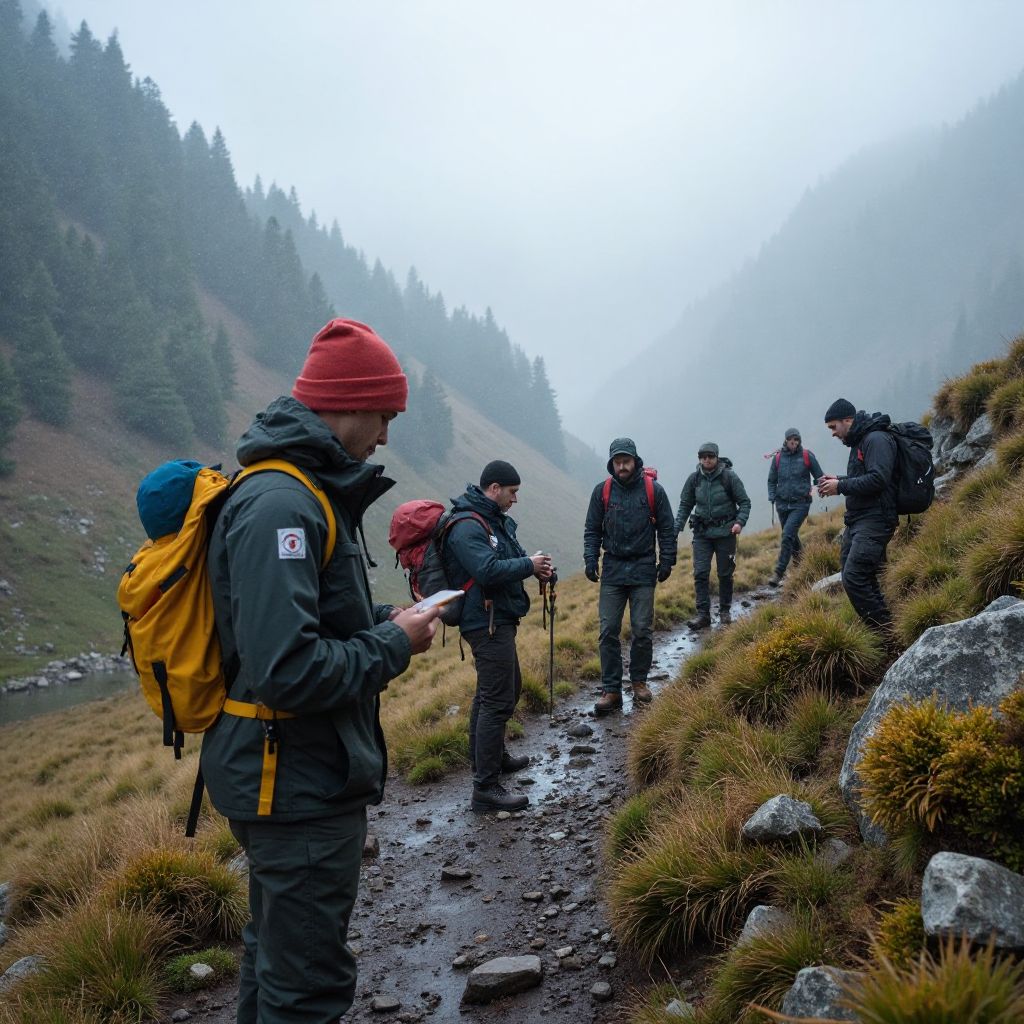
From unexpected weather events to equipment failures in remote locations, our field teams routinely overcome significant obstacles to complete their vital research and monitoring work. These stories of persistence and problem-solving represent the unsung side of conservation success.
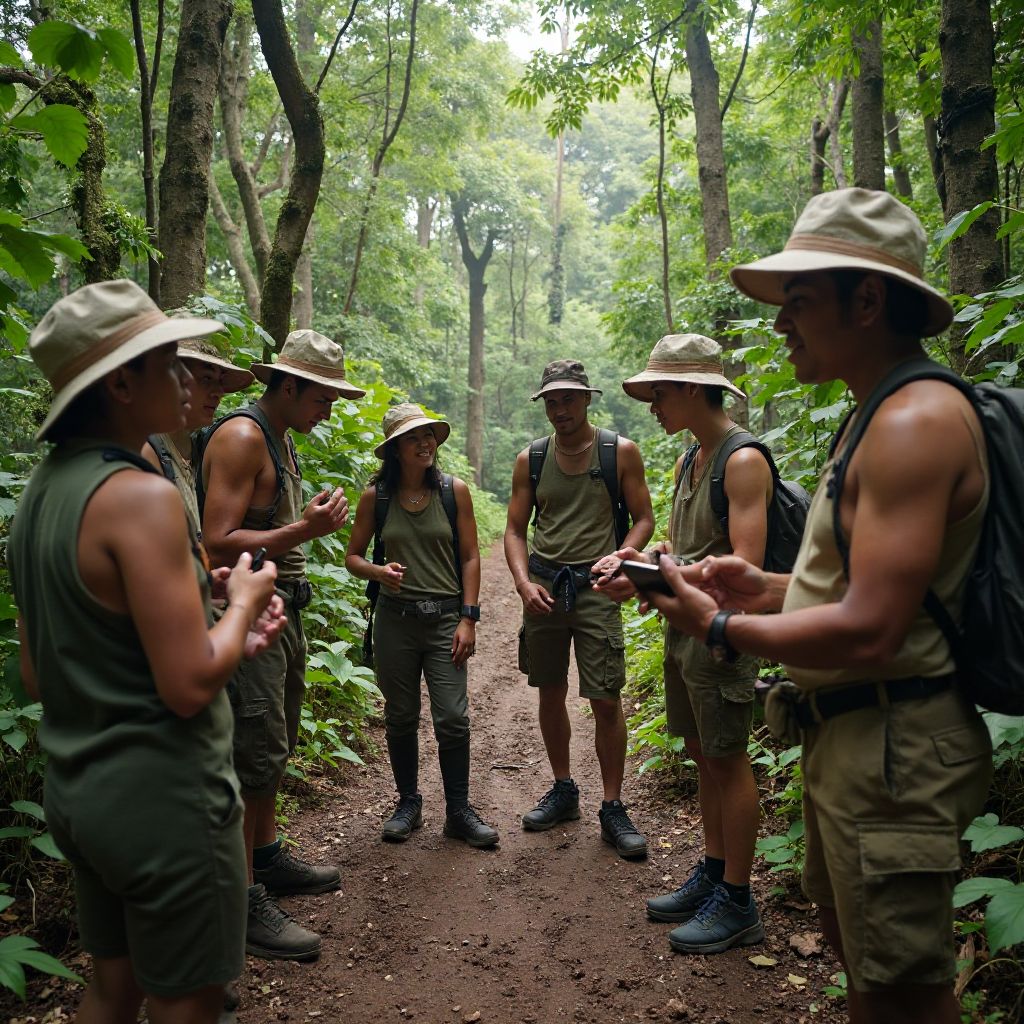
Our field teams work hand-in-hand with local communities, learning from traditional knowledge while sharing scientific techniques. These partnerships are built on mutual respect and create lasting relationships that sustain conservation efforts long after initial projects end.
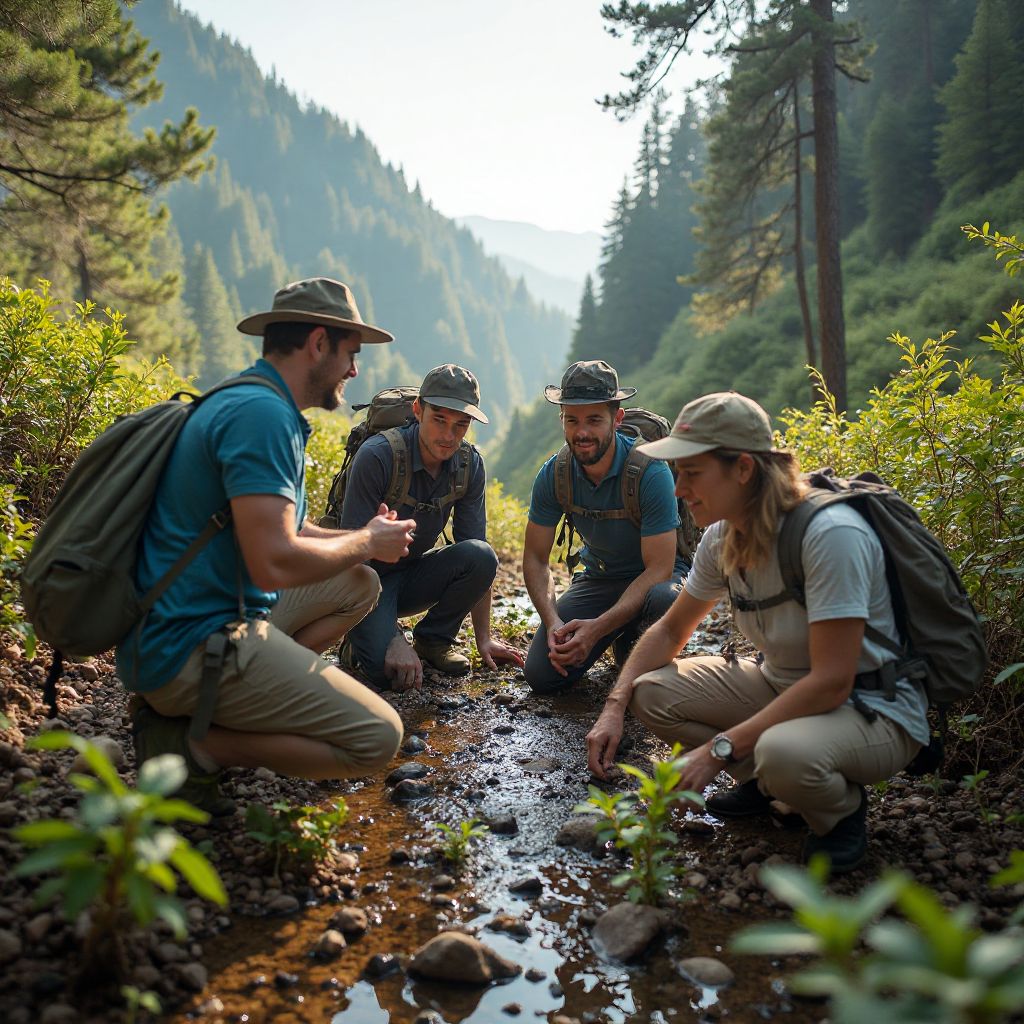
The thrill of documenting previously unknown species, witnessing rare animal behaviors, or finding evidence of ecosystem recovery fuels our teams through difficult fieldwork. These moments of discovery remind us why conservation work matters and inspire continued dedication to protecting wild places.
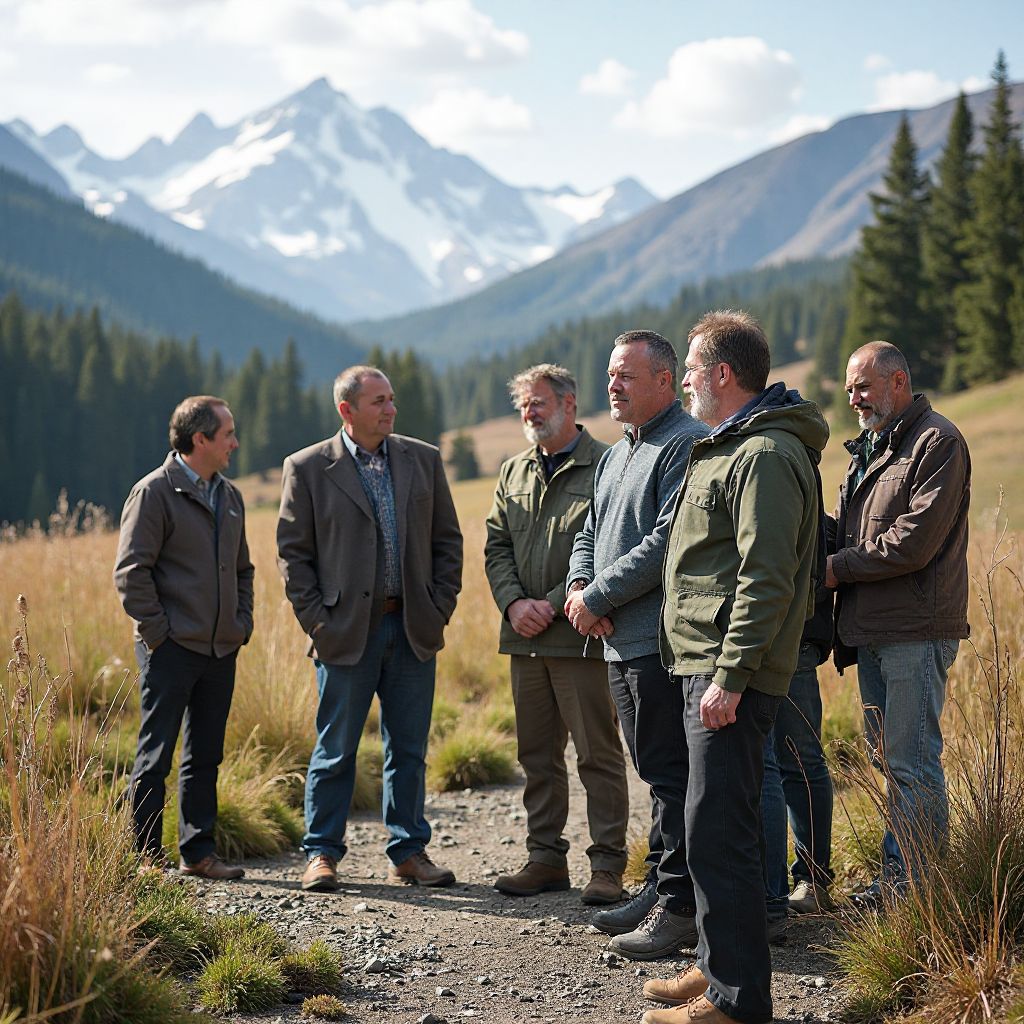
After five years of advocacy and scientific research, a 50,000-hectare marine area has been designated as a protected zone, safeguarding critical coral reefs and fish spawning grounds.
Read more →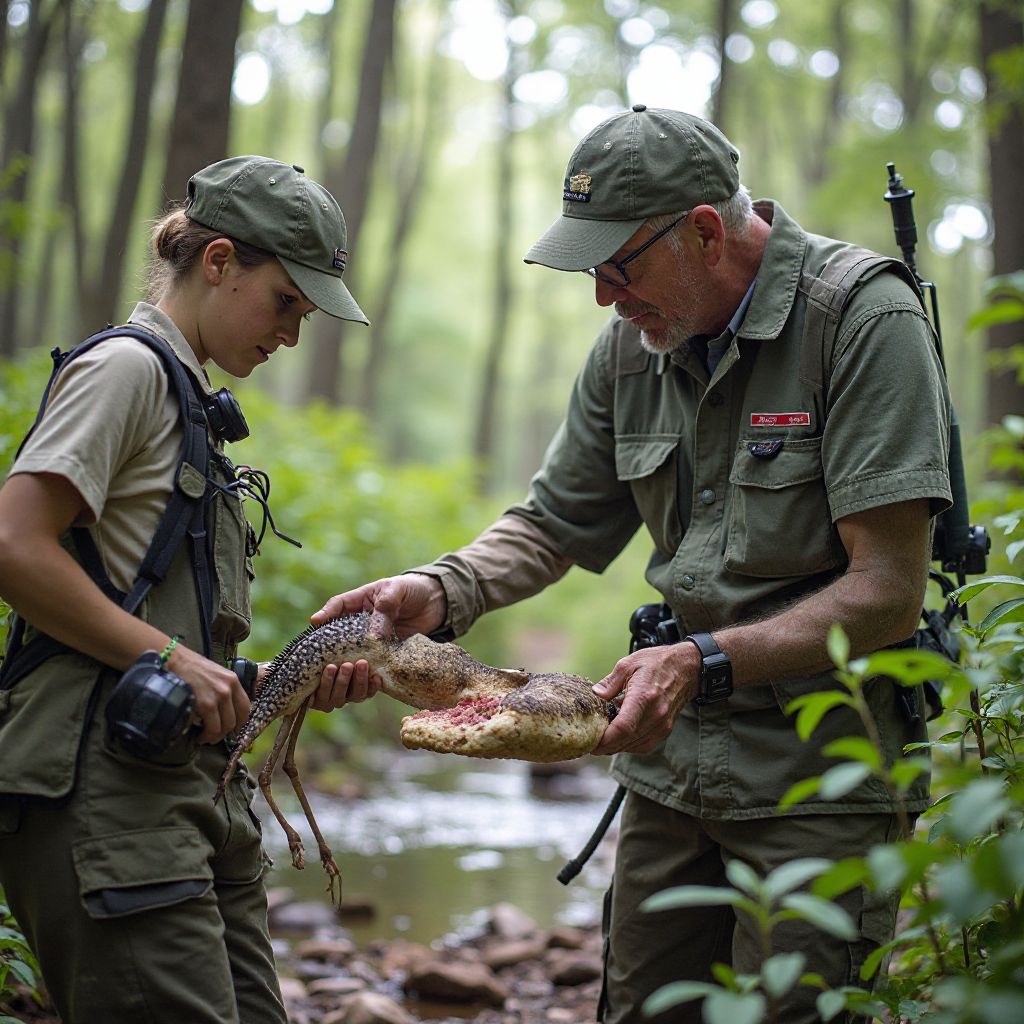
Recent monitoring data indicates a 30% increase in mountain lion numbers within the Eastern Corridor project area, suggesting conservation efforts are yielding positive results.
Read more →
Three neighboring countries have signed a groundbreaking cooperation agreement that establishes a transboundary protected area spanning 1.2 million hectares of critical habitat.
Read more →Looking for other ways to support our conservation work?
Contact Us for Corporate PartnershipsWe employ rigorous scientific monitoring protocols that track both ecological and social outcomes. For biodiversity, we measure indicators like species population trends, habitat quality metrics, and ecosystem service delivery. For community impact, we track economic benefits, changes in attitudes and behaviors, and policy improvements. All our projects have clear baseline data, specific targets, and regular monitoring schedules. We publish annual impact reports that transparently share both successes and challenges, and we engage third-party evaluators to verify our results.
There are many ways to contribute to our mission! You can volunteer for our citizen science programs that collect valuable ecological data, participate in habitat restoration events in your region, advocate for conservation policies with your elected officials, or share our educational content with your community. We also offer internship programs for students and professionals looking to develop conservation skills. Additionally, simply practicing sustainable habits in your daily life—reducing waste, making eco-friendly consumer choices, and minimizing your carbon footprint—supports our broader mission of environmental protection.
Our partnerships with indigenous communities are founded on principles of respect, equity, and free, prior, and informed consent. We recognize indigenous peoples as the original stewards of many lands we work to protect, and we value their traditional ecological knowledge as essential to conservation success. We only develop projects with indigenous communities when explicitly invited to do so, and we ensure these partnerships provide tangible benefits through mechanisms like co-management agreements, sustainable livelihood programs, and formal recognition of land rights. Indigenous representatives hold positions on our advisory boards and project teams, ensuring their voices directly influence our conservation strategies and implementation.
We're proud to maintain high efficiency in our operations, with 85% of all donations going directly to conservation programs. The remaining 15% covers essential administrative costs, fundraising, and organizational development that ensures our long-term sustainability and effectiveness. We maintain full financial transparency, publishing detailed annual reports that break down our spending by category and project. Our financial statements are independently audited, and we've consistently received top ratings from charity evaluators for our financial management and program efficiency.
Our site selection process involves rigorous scientific assessment combined with practical feasibility considerations. We prioritize areas based on biodiversity value (presence of endangered species or unique ecosystems), ecological function (watershed protection, carbon sequestration), connectivity to existing protected areas, level of threat, and opportunity for successful conservation outcomes. We also consider social factors like community support, governance conditions, and potential for sustainable economic activities. Once potential sites are identified, we conduct comprehensive baseline assessments and stakeholder consultations before developing conservation strategies tailored to each area's specific ecological and social context.
Climate change fundamentally shapes our conservation approach in several ways. First, we incorporate climate projections into our planning to identify and protect climate refugia—areas likely to maintain suitable conditions for vulnerable species as climates shift. Second, we prioritize landscape connectivity to facilitate species migration in response to changing conditions. Third, we emphasize ecosystem resilience by protecting diverse habitat types and genetic diversity within populations. Our monitoring systems track climate-related changes to enable adaptive management, and we integrate carbon sequestration potential into our site selection criteria. Additionally, we advocate for climate policies that support nature-based solutions and explicitly link biodiversity conservation with climate action in our educational programs.
Have questions about our conservation projects, donation options, or ways to get involved? Our team is here to help. Fill out the contact form or reach us directly through the following channels:
Strada Mihai Eminescu 8, Iași, Jud. Iași
0771465832